Painting a Brick House or Fireplace: What to Think Through First
Painted brick is close to a one-way decision, so it pays to know what you're signing up for before anyone opens a can.
October 27, 2026 · 4 min read
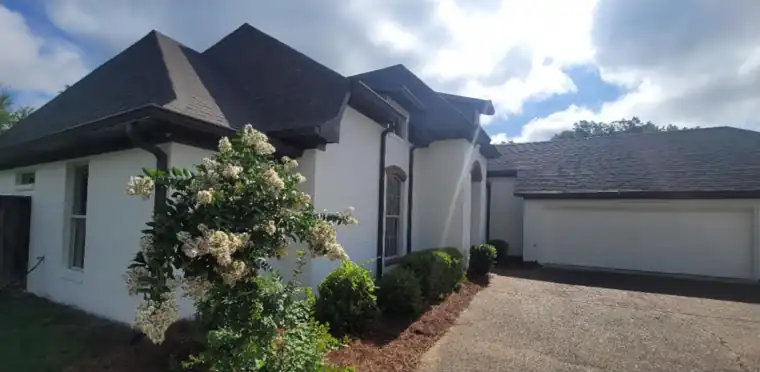
Painting brick is a bigger decision than painting siding, because it's close to a one-way trip. Brick is porous, and once paint soaks into it, getting back to bare brick means hard, messy work and a result that's rarely perfect. That doesn't make it a bad idea. Plenty of brick houses in Madison, Rankin and Hinds County look better painted, and Anthony's Painting has done a lot of them. It does mean a few things are worth thinking through before anyone picks up a brush.
Know what you're giving up
Natural brick has color variation baked in from the firing process, and it doesn't fade the way paint does. Painted brick, on the other hand, needs repainting eventually, the same as any painted wall. If your brick is dated, blotchy, or a color you've never liked, paint can solve that for good. If it's a handsome, even brick that just looks tired, a thorough cleaning might be all it needs. Be honest with yourself about which one you're looking at. You can wash brick again later, but you can't un-paint it.
Check the brick before you cover it
Paint hides color, not problems. Walk the house and look for these before anyone writes up a job:
- White, chalky powder on the surface, which is salt left behind when water moves through the brick and dries out
- Mortar joints that are crumbling, sandy, or recessed far back from the face of the brick
- Cracks, especially stair-step cracks that follow the mortar lines
- Individual bricks that are flaking or shedding their outer face
- Dark streaks under windows, below rooflines, or near gutters, which point to water running where it shouldn't
Most of these trace back to moisture. If water is getting into the wall from an overflowing gutter or a downspout that empties against the foundation, new paint will trap it and eventually peel. Fix the source first. A painter who walks the wall and tells you that before giving you a number is doing you a favor.
Washing and drying come first
Brick holds dirt, mildew and old pollen deep in its pores, and paint won't grip a dirty surface. The wall gets washed before anything else; Anthony's Painting pressure washes most surfaces before painting or staining. After that, the brick has to dry all the way through. Painting damp brick is one of the fastest routes to bubbling and peeling, so a patient painter will let the wall dry and won't push ahead in a wet stretch just to hold a schedule.
Primer, paint and those mortar joints
Brick drinks paint. A primer made for masonry seals the surface so the finish coats sit on top instead of disappearing into the pores, and it helps the color come out even. Mortar joints are the other trouble spot. They're recessed and rough, and they take more paint than you'd guess, so they need to be brushed or back-rolled until the paint actually reaches into the joint instead of bridging over it. That detail is a big part of why a painted brick wall looks finished from the street and still looks good from three feet away. Anthony's crew uses premium Sherwin-Williams paint on the exterior.
Fireplaces are a separate conversation
A brick fireplace surround is usually a more forgiving project than a whole exterior, and it's one of the most common interior updates people ask about. The gallery at Anthony's Painting includes a brick arch and fireplace room as well as a mantel. The thing to talk through is heat. The area right around the firebox opening sees temperatures the rest of the wall never does, and soot can bleed through paint if it isn't dealt with. Tell your painter how often you use the fireplace and whether it burns wood or gas, and expect a clear answer about what should and shouldn't be painted near the opening. The inside of the firebox itself is normally left alone.
Choosing the color
White and soft off-whites are the most common choice on brick, and the before-and-after photos on the Anthony's Painting site show plenty of brick-to-white jobs. White also shows dirt and shadow, and it can look stark next to warm roofing or trim. Look at a sample in morning light and again in late afternoon before you commit, and look at it next to your roof, your driveway and your trim rather than by itself. Muted mid-tones like soft gray or a warm tan tend to hide dust better and sit comfortably next to mature trees and landscaping.
Homeowners notice the difference when brick is handled carefully. One homeowner on the Anthony's Painting site, Elisabeth N., wrote: "Anthony's crew did an amazing job painting the exterior of my house including the brick." She added that he was on site daily and made sure she was completely satisfied before taking payment for the job.
If you're on the fence about painting your brick, call Anthony at 601-946-8107 for a free estimate. Tell him what bothers you about the brick you have now. He'll look at the walls, check for the moisture issues above, and talk through whether paint is the right move for your house.
Anthony's Painting, 601-946-8107
Call 601-946-8107More articles
Picking Exterior Paint Colors: Paint Samples on the Wall, Not Just Chips
A two-inch chip and a full-size house are not the same thing, and the cheapest fix is to paint real samples before you decide.
When Your Sun-Facing Wooden Door's Varnish Starts to Crack
A cracked finish is easier to fix early, and the repair process is simpler than most homeowners expect.